
Blood tests are an essential part of diagnosing what is ailing your pet, just as they are in human medicine. Blood tests can tell the veterinarian a myriad of things, such as if your pet has anemia, inflammation or infection, organ disease, or specific infections such as Valley Fever infection or Tick Borne Infections.
Common blood tests used by veterinarians
A complete blood count or CBC is used to evaluate the number of red blood cells, white blood cells and platelets your pet has in circulation. Red blood cells are used to determine a number of factors. The packed red blood count can detect if a pet has excessive red blood cells (polycythemia) which is an indication of dehydration or possibly a more severe condition, or decreased red blood cells, anemia. The hemoglobin concentration test measures the oxygen-carrying capacity of your pet's blood, and the red blood cell count can tell your vet how well your pet's body is functioning. Testing the white blood cells is equally useful. A high white blood cell count is indicative of infection, whereas a low white blood cell count can mean a weakened immune system.
A chemistry panel is important in evaluating your pet’s liver, kidney, and pancreas enzymes/health, evaluating if their bodies electrolytes balance, and protein levels. High liver and kidney values can determine if a pet has organ disease or possibly failure whereas high pancreas values can determine if a pet is suffering from pancreatitis. A thyroid panel is used to evaluate thyroid gland function and determine if the pet is producing too much thyroid hormone, hyperthyroidism or too little thyroid hormone, hypothyroidism. A fecal or stool test evaluates your pets for intestinal parasites such as hookworms, roundworms, giardia, and/or coccidia. Intestinal parasites can be contagious to other pets as well as human family members. Therefore, it is important to test a new pet to the household, if the pet regularly visits dog parks or dog day care, or when the pet has abnormal stool/diarrhea. A urinalysis, urine analysis, is used to evaluate the urine for any infection, crystals, casts, diabetes and to make sure the kidneys are concentrating correctly. Urinary crystals can lead to bladder stone formation or blockage of the urethra. A fresh sample of feces or urine is always better for evaluation. Another important test and common test, is a Valley Fever test. Valley fever is a common fungal infection in the southwestern United States, specifically Arizona and California. The spores are inhaled from dust and dirt, commonly affecting the lungs and limbs, but can actually infect any part of the body including the eyes, brain and spine. The spores form lesions termed granulomas in the pet’s body, which can make them ill. Valley Fever tests can help determine how severe the infection and also help determine the dose and length of treatment necessary.
Many of the tests we run at Higley Road Pet Clinic are sent to an outside lab and results are returned to our veterinarians in 24-72 hours.
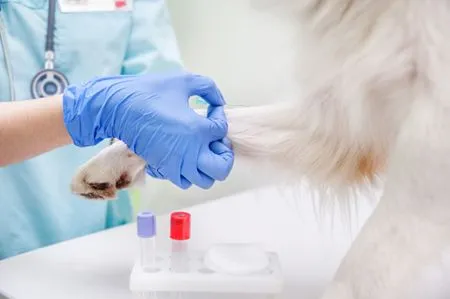
Benefits of in-house diagnostics and bloodwork
We have in house analyzers available to use if a pet is critical and needs results ASAP. We also perform in clinic screening tests for heartworm, parvovirus, feline leukemia, and feline immunodeficiency virus.


